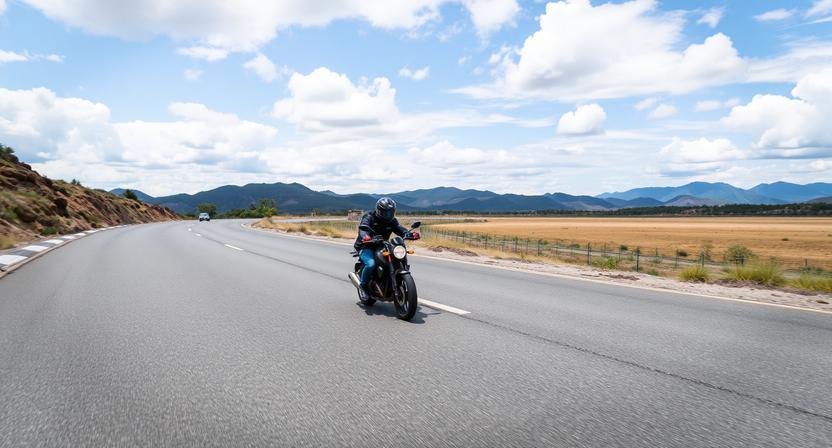
Group riding is a popular activity among motorcycle and off-road vehicle enthusiasts. Riding with others can improve navigation, provide social experiences, and increase support during emergencies. However, group riding also introduces additional safety challenges related to spacing, communication, speed management, and coordination. Following safe group riding practices is essential for reducing accident risks and maintaining organized riding conditions.
Motorcycle safety advocates such as David Vepraskas Atlanta have emphasized the importance of structured group riding techniques to improve safety for both experienced and beginner riders.
Planning the Ride Before Departure
Proper planning is important for safe and organized group riding. Riders should discuss routes, fuel stops, weather conditions, and communication methods before starting the ride.
Important pre-ride planning areas include:
- Reviewing the route
- Discussing riding pace
- Identifying rest stops
- Confirming emergency contacts
- Checking weather forecasts
Preparation helps reduce confusion and improve coordination during the ride.
Conducting Pre-Ride Vehicle Inspections
Mechanical problems during group rides can create safety risks for multiple riders. Every participant should inspect their vehicle before departure.
Important inspection areas include:
- Tire condition and pressure
- Brake performance
- Fuel levels
- Lights and signals
- Chain or belt condition
- Suspension systems
Routine inspections help reduce breakdowns and improve overall ride safety.
Maintaining Proper Riding Formation
Riding formations help improve visibility and create safer spacing between riders. Proper positioning reduces collision risks and improves communication within the group.
Common riding formations include:
- Staggered formation on open roads
- Single-file formation on narrow roads or trails
- Increased spacing during poor weather
- Wider gaps on difficult terrain
Formations should adjust depending on traffic, terrain, and riding conditions.
Keeping Safe Following Distances
Following too closely can reduce reaction time and increase accident risks. Riders should maintain enough distance to respond safely to sudden stops or obstacles.
Safe spacing helps riders:
- Improve visibility
- Avoid chain-reaction collisions
- Maintain braking distance
- React to hazards more effectively
- Reduce pressure on inexperienced riders
Additional spacing is especially important during rain, dust, or off-road riding.
Communicating Clearly During Rides
Effective communication is essential for group safety. Riders should use clear signals to communicate hazards, turns, stops, and changes in speed.
Important communication methods include:
- Hand signals
- Helmet communication systems
- Pre-arranged riding signals
- Brake light awareness
- Verbal communication during stops
Organized communication helps improve coordination and reduce confusion.
Riding at a Comfortable Group Pace
Group rides should maintain a pace that is safe and comfortable for all participants. Excessive speed can increase pressure on less experienced riders and create dangerous conditions.
Safe pace management includes:
- Avoiding aggressive riding
- Adjusting speed for traffic conditions
- Slowing down for difficult terrain
- Monitoring rider comfort levels
- Keeping the group together safely
Responsible speed management supports safer riding experiences.
Understanding the Skill Levels of Riders
Groups often include riders with varying levels of experience. Organizing rides according to skill level helps reduce unnecessary risks.
Important considerations include:
- Matching route difficulty to experience
- Supporting beginner riders
- Avoiding pressure to ride beyond skill limits
- Providing additional guidance when necessary
- Adjusting pace for newer riders
Skill awareness improves safety and group coordination.
Managing Group Riding on Off-Road Trails
Off-road group riding requires additional caution because terrain conditions can change rapidly. Dust, mud, rocks, and narrow trails increase visibility and spacing challenges.
Off-road safety practices include:
- Increasing distance between riders
- Avoiding blind passing
- Slowing down near obstacles
- Watching for loose terrain
- Maintaining visual contact carefully
Trail awareness is important for preventing collisions and rollovers.
Preparing for Emergencies During Group Rides
Emergency planning is especially important for long-distance or remote rides. Groups should be prepared to respond to accidents, breakdowns, or weather-related problems.
Important emergency preparation includes:
- Carrying first aid kits
- Sharing emergency contacts
- Carrying repair tools
- Identifying nearby emergency services
- Establishing regrouping points
Prepared groups can respond more effectively during unexpected situations.
Respecting Traffic and Trail Rules
Group riders must follow traffic laws and trail regulations to maintain safety and avoid accidents.
Responsible riding practices include:
- Following speed limits
- Obeying traffic signals
- Staying on designated trails
- Avoiding reckless maneuvers
- Respecting environmental restrictions
Safe and respectful riding helps protect both riders and public access to riding areas.
Conclusion
Safe group riding practices are essential for motorcycle and off-road vehicle safety. Proper planning, communication, spacing, and responsible riding behavior help reduce accident risks and improve coordination during rides.
As group riding continues to be a popular recreational activity, safety awareness and preparation remain critical for maintaining organized and enjoyable riding experiences. Riders who prioritize communication, teamwork, and defensive riding practices are often better prepared for safe group travel on roads and trails.