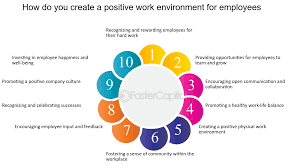
Today’s business environment is fast-paced, and success no longer depends solely on individual performance. In today’s fast-paced business world, success is no longer defined solely by individual performance. Instead, it depends on the ability to form strong, positive and productive relationships with coworkers, clients and collaborators. Creating Productive and Positive Business Partnerships explores ways that fostering meaningful relationships and teamwork can help organizations thrive.
Anson Funds demonstrates that working effectively with others in today’s business environment begins with collaboration, open communication, and a shared commitment to achieving meaningful results together.
respectful and open communication lies at the core of a successful workplace partnership. If people feel appreciated and heard, they will be more inclined to offer their best ideas, provide insights and work with purpose. Active listening, empathy and clarity are essential to effective communication. The respectful dialogue helps build trust between teams, allowing them to overcome challenges and achieve shared goals.
respect for each other, is also a key element to harmony. Everyone brings their own unique skills, experiences, and perspectives to the team. By valuing and acknowledging these differences, you can encourage creativity and collaboration. Team members who respect each other and their strengths can create an environment in which people are motivated and feel valued.
Collaboration is key to successful business partnerships. People thrive in modern offices when they work collaboratively rather than individually. The collaboration allows for teams to share knowledge, come up with innovative solutions and provide support. Individuals who embrace a purpose shared and work together to achieve a goal are more productive and have better outcomes. Collaboration can transform a group into an unified team capable of far greater achievements than the individuals could achieve alone.
accountability plays a key role in the development of harmonious relationships. Each team member must take responsibility and deliver on their commitments. This will strengthen trust across the entire organization. Accountability is a way to ensure reliability and consistency, which both contribute to long-lasting relationships. This sets the example for integrity and professional conduct and inspires others to follow suit.
you must embrace adaptability and agility. Business landscapes are constantly changing, so effective partnerships have to change with them. Greater resilience is achieved by being open to ideas, accepting of change and willing to make adjustments. Flexible teams are better able to overcome problems, stay on track, and discover new possibilities.
In the end, harmony in the workplace isn’t just about being nice to each other. It’s about deliberately creating an environment that allows people to grow, help one another, and achieve together. Positive, productive relationships elevate an entire organization by promoting innovation, improving morale, or propelling it to long-term growth.
By prioritizing respect, communication and accountability in addition to flexibility, businesses can build relationships that will endure through any challenge. This environment is one where everyone flourishes and an organization can move forward in unity and purpose. Harmony in the workplace is not a mere concept. It’s a key element to creating an environment that inspires, empowers, and values employees.